

Crowns, bridges, and restorations — same-day options available.
Full-coverage crowns, fixed bridges, inlays, onlays, and tooth-colored restorations — designed digitally and finished with careful attention to fit and color.
What to expect from us
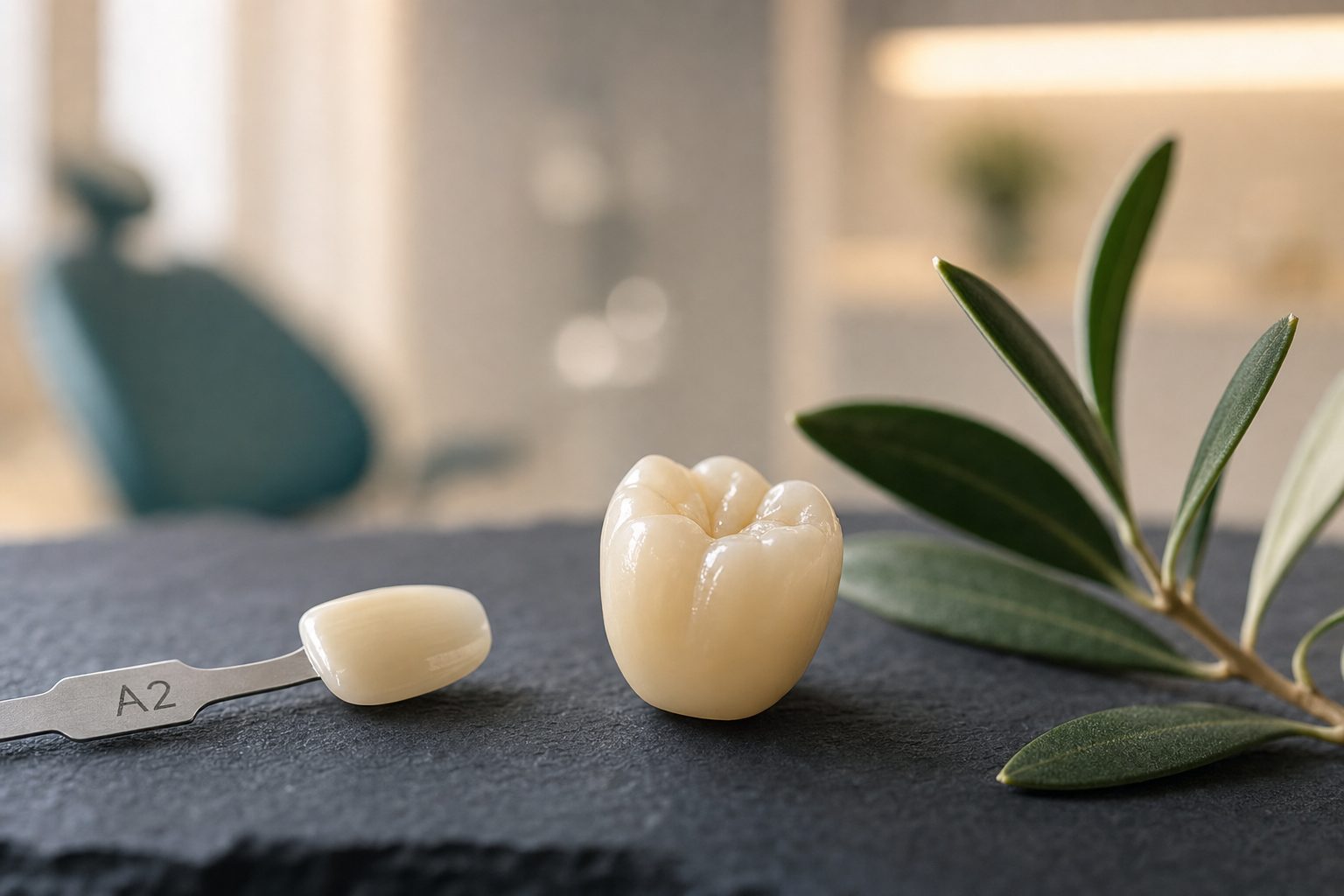
A crown is a full-coverage restoration that goes over a tooth that is cracked, broken, worn, or has been through a root canal. A bridge uses crowns on the teeth on either side of a gap to hold a replacement tooth in the middle. Both have been mainstays of restorative dentistry for a century — but the materials, digital workflow, and same-day options available today make the process far quicker and more comfortable than it used to be.
In our Mooresville office we use digital scanning instead of goopy impression material for most crowns. That means a cleaner experience for you and a more accurate fit for the final restoration. For many single crowns we can complete the whole process in one visit — from prep to finished crown — using in-office milling. For more complex cases we work with a boutique lab so the porcelain is layered by hand for depth and natural color.
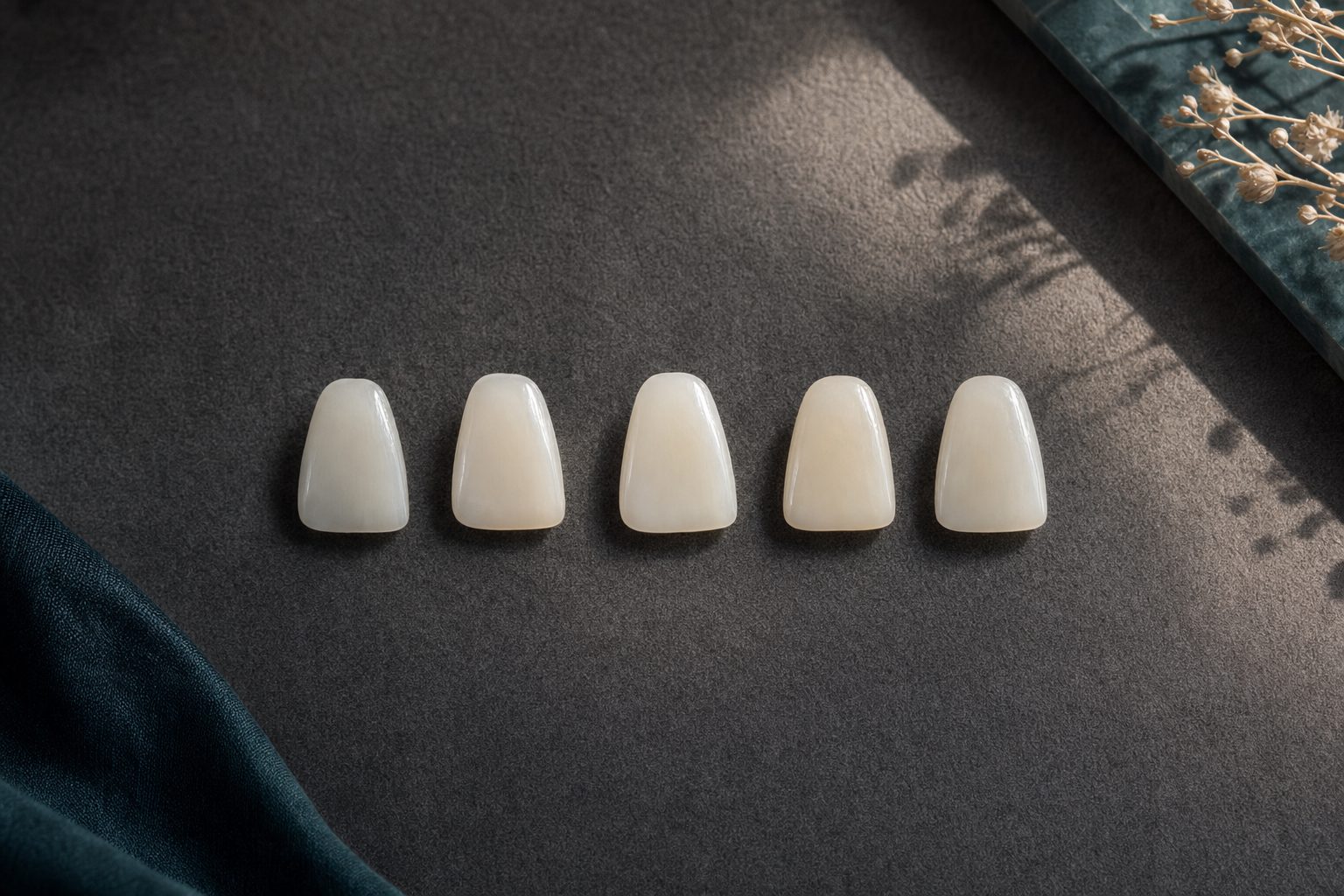
The materials we use depend on the tooth: highly translucent porcelain for front teeth where appearance is everything, layered zirconia for back teeth where strength matters most. We walk you through the options at the appointment and pick what fits your bite, your budget, and how much of your tooth is visible when you smile.
How we approach the work
Evaluation & scan
We take digital x-rays and a 3D scan of the tooth. That data tells us whether a crown, an onlay, or a smaller restoration is the right choice.
Preparation
We shape the tooth to receive the crown — a gentle process with local anesthesia so you feel nothing. For back teeth we often preserve as much natural tooth as possible with a conservative preparation.
Design & fabrication
For same-day cases, we design the crown on-screen and mill it in-office while you wait. For lab cases we send the digital scan to our lab and you wear a natural-looking temporary for two to three weeks.
Placement
The finished crown is tried in, adjusted for fit and bite, and bonded permanently. You leave with a fully functional tooth.
Bite check & follow-up
We schedule a short check-in a few weeks later to make sure everything feels right. Adjustments, if needed, are quick and included.
Questions we hear most often.
Do you offer same-day crowns?
For many single crowns, yes — we can prep, design, mill, and place the crown in a single visit. Not every case is a good fit for same-day: highly esthetic front teeth often benefit from a lab-fabricated crown with hand-layered porcelain. We tell you which is right at the appointment.
How long do crowns last?
Well-designed crowns typically last ten to fifteen years, often longer. Longevity depends on the material, the underlying tooth, whether you grind (a nightguard is a huge help), and hygiene. Zirconia and porcelain-fused-to-zirconia crowns tend to last the longest.
What is the difference between a crown and a filling?
A filling replaces a small portion of a tooth that has been affected by decay. A crown covers the entire visible portion of a tooth — used when the damage is too extensive for a filling to hold up. We choose the smallest, most conservative option that will last.
Does getting a crown hurt?
The procedure itself is done under local anesthesia and is comfortable. Some patients experience mild sensitivity for a few days after — usually to cold — which fades as the tooth settles. Ibuprofen if needed. Persistent pain is rare and always worth a call.
Can a crown be replaced if it wears out?
Yes. Crowns can be removed and replaced when they wear, chip, or if the underlying tooth develops a new cavity at the margin. We evaluate at your regular cleanings and plan replacement before something breaks unexpectedly.
What is a bridge?
A bridge fills the space of a missing tooth by anchoring a replacement tooth (the pontic) to crowns on the neighboring teeth. It is a fixed, non-removable solution that has been a workhorse of dentistry for decades. For patients who prefer not to modify healthy neighboring teeth, an implant is often a better alternative.